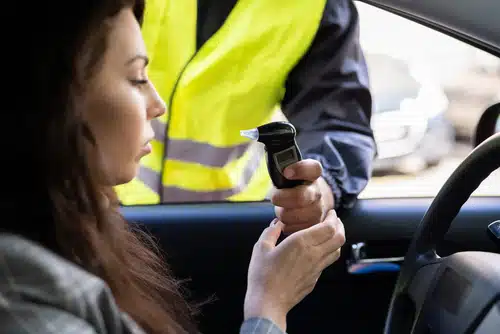
Important Lessons for Individuals Facing DUI Charges in South Carolina: 2023 Recap

Important Lessons for Individuals Facing DUI Charges in South Carolina: 2023 Recap

If you are facing a DUI charge in South Carolina, there is a lot you need to know. Whether this is your first time facing charges or you are facing charges as a repeat offender, you have a lot at stake, and you need to be very careful to protect yourself.

When you are facing a DUI charge in South Carolina, one of the keys to protecting yourself is making informed decisions. The more you know, the more you do to mitigate your risk of facing unnecessary consequences. With this in mind, here are some important lessons we’ve covered throughout the year:

Handling Your DUI Case if You Were Driving Drunk

While some people who get DUIs are sober, lots of people who get DUIs are driving drunk at the time of their arrest. If you were driving drunk when you got arrested, what does this mean for your defense? Should you accept the consequences and move on? Or do you still have options for fighting your DUI?

In South Carolina, there are several ways to fight a DUI charge, even if you were under the influence behind the wheel. To learn about the options you may have available, you can read: How To Handle a South Carolina DUI Case When You Were Driving Drunk.

What Is the “Best” Defense to a DUI?

Let’s say you are facing a DUI charge, and let’s say you were intoxicated at the time of your arrest. In this scenario, what is the best way to fight your DUI?

The short answer is, “It depends.” As we just mentioned, there are several ways to fight a DUI charge, even if you were driving drunk. But, the defenses that you can use depend entirely on the facts of your case. With this in mind, there is no single “best” defense—and the best defense for you is the one that will minimize the consequences of your arrest as much as possible. Learn more: What is the Best Defense to a DUI in South Carolina?

What if the Police Recorded You with a Dash Cam?

Prosecutors in South Carolina can use several forms of evidence to prove DUI charges. One of these forms of evidence is dash camera footage. But, sometimes, having your traffic stop and arrest caught on camera can work to your advantage.

Was your DUI stop caught on camera? If so, here’s what you need to know: How Can Dash Camera Footage Help (or Hurt) Your Defense in a South Carolina DUI Case?

Consequences of Taking (or Refusing) a Breath Test

Under South Carolina’s implied consent law, you are required to take a breath test during your DUI stop in most cases. But, there are exceptions—and if you refused the breath test, knowing whether any of these exceptions apply is extremely important.

Why? Because if you refused the breath test, you could face penalties for an “implied consent violation” even if you weren’t driving under the influence. Additionally, prosecutors may also be able to use your refusal against you in your DUI case. Learn more: Can You Get Convicted of DUI if You Refuse a Breath Test in South Carolina?

Consequences of Causing an Accident While Driving Drunk

While the consequences of a DUI can be substantial, they can be even more significant if you cause an accident while driving under the influence. South Carolina’s DUI laws impose enhanced penalties in cases involving “great bodily injury” or death.

As a result, if you are facing a DUI charge after an accident in South Carolina, you must discuss your case with a lawyer as soon as possible. To learn what you have at stake, you can read: Fighting a DUI Involving Great Bodily Injury (or Death) in South Carolina.

Don’t Fall for These South Carolina DUI Myths

As we said in the introduction, making informed decisions is critical for protecting yourself when you are facing a DUI. With this in mind, you need to avoid falling for any of the all-too-common myths that you will find online.

For example, while jail time isn’t a risk for first-time offenders in some states, it is a risk for first-time offenders in South Carolina. While you might be able to avoid jail time with experienced legal representation, there are no guarantees. If you are facing a DUI charge, we strongly encourage you to read:  South Carolina DUI Myths: What You Really Need to Know After a Drunk Driving Arrest.

Protecting Yourself After a DUI Arrest

Making sure you don’t fall for common myths is just one of numerous steps you need to take to protect yourself after a DUI arrest in South Carolina. You need to take your case very seriously, and you need to make sure you do everything you possibly can to protect yourself.

What specifically do you need to do if you’ve been arrested for DUI? Find out here: 10 Steps to Protect Yourself After a DUI Arrest in South Carolina.

How Hard Is It to Fight a DUI?

So, you know that fighting your DUI is important. But, how realistic is it to fight your charge successfully?

While fighting a DUI charge isn’t easy, there are several potential defenses to drunk driving charges under South Carolina law. Although you will struggle to protect yourself if you try to handle your case on your own, you can significantly improve your chances of securing a favorable outcome by hiring an experienced defense attorney. Learn more: How Hard Is It to Fight a DUI Charge in South Carolina?

Are You Facing DUI Charges in South Carolina? Schedule a Free Consultation Today

We provide experienced legal representation for individuals who are facing DUI charges in South Carolina. If you are facing the consequences of a drunk driving arrest, we can use our experience to protect you by all means available. To learn more in a free and confidential consultation, call 803-328-8822 or tell us how we can reach you online today.

How To Deal with a DUI in South Carolina During the Holiday Season

How To Deal with a DUI in South Carolina During the Holiday Season

It’s hard to believe, but the holiday season is approaching. As discussed last year, local and state law enforcement agencies in South Carolina have increased their efforts to target drunk drivers during the holiday season. This, combined with the fact that Halloween, Thanksgiving, and New Year’s Eve are among the most dangerous nights to drive, means that many South Carolina residents and visitors will likely face driving under the influence (DUI) charges in the coming months.

If you find yourself dealing with a DUI during the holiday season in South Carolina, here’s what you need to know:

What To Do If You’re Dealing with a Holiday DUI

While you may be tempted to ignore your DUI during the holiday season, this isn’t an option. If you miss a DUI, your case will proceed in court without you, almost certainly resulting in a conviction.

Can’t you deal with the consequences after the fact? Technically, you can. But you don’t want to. It is important not to misunderstand the seriousness of your situation. In South Carolina, DUI is a criminal offense, and even first-time offenders can face thousands of dollars in fines and surcharges, loss of driving privileges, and up to 48 hours in jail.

With this in mind, you need to contact a defense lawyer promptly. A local DUI defense lawyer can explain everything you need to know and walk you through the steps you need to take to protect yourself. This includes critical steps such as:

  • Make Sure You Attend Your Initial Appearance: Unless your DUI defense lawyer advises otherwise, you must attend your initial appearance. If you don’t, you can be charged with failure to appear, which can have serious adverse consequences. Even if it means changing your holiday travel plans, you must prioritize your DUI case and do what is necessary to protect yourself.
  • Learn About Potential DUI Defenses in South Carolina. There are various ways to fight a DUI charge in South Carolina. With that said, the options you have available depend entirely on the facts of your case. You should learn about the types of DUI defenses that are available, and you should think about which ones might apply to your case.
  • Learn About the “Defenses” That Don’t Work There are many misconceptions about DUI cases in South Carolina, including the available defenses. As you prepare to deal with your DUI charge during the holiday season, you must ensure that you aren’t planning to rely on any of these common “defenses” that don’t work.
  • Keep the Facts (and Your Opinions) to yourself. When facing a DUI charge in South Carolina, you should only discuss your case with your defense lawyer. You should not post on social media or share details with friends or coworkers. If you post or say anything prosecutors can use against you, they will not hesitate to do so.
  • Make Sure You Understand What Is At Risk. Along with the penalties mentioned above, a DUI conviction in South Carolina can have various other serious consequences. To ensure that you make informed decisions, you must understand what is at risk in your case.

What Not To Do if You’re Dealing with a Holiday DUI in South Carolina

When facing a DUI charge in South Carolina, knowing what to do and what not to do is equally important. Here are five examples of what not to do when you are dealing with a DUI during the holiday season:

  • Don’t Drive if Your License is Suspended – When you got arrested for DUI, your driver’s license may have been suspended immediately. If your license is suspended, you should not drive. Driving on a suspended license also carries severe penalties in South Carolina, and you do not want the judge to find out that you broke the law while your DUI case was pending.  
  • Don’t Drink and Drive (Again): Regardless of whether your driver’s license has been suspended, you should not drink and drive. Not only is drinking and driving dangerous, but getting a second DUI will increase your risk significantly. Repeat offenders face enhanced penalties in South Carolina, including thousands of dollars in fines and a minimum of five days in jail.
  • Don’t Rely on Common Myths About South Carolina DUIs – As we said above, there are a lot of misconceptions about DUI charges in South Carolina. As you move forward, you must ensure you rely on sound legal advice and not common myths that simply aren’t true.
  • Don’t Plead Guilty So You Can Enjoy the Holidays – The quickest way to resolve your DUI case is to plead guilty during your initial appearance. However, this is rarely the right choice. While you may be tempted to put your case behind you so that you can focus on enjoying the holidays, the consequences aren’t even close to worth it.
  • Don’t Make Other Costly Mistakes. This is just a tiny sampling of the mistakes you must avoid when facing a DUI during the holiday season in South Carolina. It would help if you avoided many other mistakes—including mistakes that could land you in jail unnecessarily. While dealing with a DUI during the holidays isn’t easy, it is essential, and you must ensure you are doing everything you can to protect yourself to the fullest extent possible.

Discuss Your Case with a DUI Defense Lawyer in Rock Hill, SC

Did you get a DUI during the holiday season in South Carolina? If so, we can help, but you must contact us promptly. To speak with a DUI defense lawyer in Rock Hill, SC, about your case in confidence as soon as possible, call 803-328-882 or tell us how we can reach you online now.

South Carolina DUI Myths: What You Really Need to Know After a Drunk Driving Arrest

South Carolina DUI Myths: What You Really Need to Know After a Drunk Driving Arrest

If you are facing a DUI charge in South Carolina, it will be essential to separate myth from reality. There are many DUI myths out there, and if you rely on insufficient information, you could make poor decisions that negatively impact your life for years.

So, what do you need to know if facing a DUI charge in South Carolina? Here is the truth behind seven common myths about dealing with the consequences of a drunk driving arrest:

Myth #1: A DUI Isn’t a Serious Crime

Since a DUI is many people’s first introduction to the criminal justice system, these cases aren’t heavily punished. Sometimes, a DUI is treated as a traffic violation rather than a criminal offense.

Truth: In South Carolina, DUI is a severe crime.

In South Carolina, DUI is a criminal offense that carries the potential for fines, a driver’s license suspension, and various other penalties. While some states classify certain DUI offenses as traffic violations, South Carolina law classifies all DUIs as crimes. Most DUI charges are misdemeanors; however, prosecutors can pursue felony DUI charges in some cases.

Myth #2: You Won’t Go to Jail as a First-Time DUI Offender

If you get convicted of DUI, you might face fines and other penalties, but you won’t go to jail. Since jail time isn’t on the table, handling your DUI case alone is okay.

Truth: All DUI charges carry potential jail time under South Carolina law.

In South Carolina, first-time offenders with a blood alcohol concentration (BAC) of 0.080% to 0.099% face a minimum of 48 hours of jail time. However, first-time offenders can also be sentenced to up to 30 days. While community service may be available as an alternative to jail time in some cases, DUI defendants must know how to seek community service effectively.

Myth #3: Prosecutors Won’t Be Able to Convict You if They Don’t Have Your BAC

Prosecutors need your BAC to secure a conviction. If you refused the breath test, or if you can argue that your test result is unreliable, this is enough to avoid a DUI conviction.

Truth: Your BAC is just one of numerous forms of evidence prosecutors can use to prove drunk driving.

Prosecutors don’t need your BAC to secure a conviction. While a high BAC reading can be strong evidence of guilt, it is just one of several types of evidence that may be available. Additionally, suppose prosecutors don’t have your BAC because you refused the breath test. In that case, you can be charged with an “implied consent” violation regardless of whether you were drunk, and prosecutors can also use your refusal against you in your DUI case.

Myth #4: If Prosecutors Have Your BAC, You Might As Well Plead Guilty

If you took a breath test and blew above the legal limit, you might as sufficiently plead guilty. If prosecutors have your BAC, you can do nothing to avoid a conviction.

Truth: Even if prosecutors have your BAC, you may still have several options for fighting your DUI.

A high BAC does not guarantee a guilty verdict. There are several ways to dispute the reliability of your BAC reading and potentially to keep your BAC reading out of court. When you hire an experienced DUI defense lawyer, your lawyer will examine all options for dealing with your high BAC reading, from showing that the breathalyzer device wasn’t recently calibrated to arguing that all of the prosecution’s evidence is inadmissible because your traffic stop or arrest violated your Fourth Amendment rights.

Myth #5: You Can’t Get a Plea Deal in a DUI Case

In DUI cases, negotiating a plea deal isn’t an option. You will need to fight your DUI charge in court, and, if you aren’t successful, you will get convicted.

Truth: In South Carolina, it is possible to negotiate a plea deal in a DUI case.

While this is true in some states, it isn’t true in South Carolina. Prosecutors will consider plea deals in appropriate cases. If it makes sense to negotiate a plea in your case, your defense lawyer can argue for a reduced charge that mitigates the consequences of your drunk driving arrest.

Myth #6: Once You Serve Your Sentence, You Will Be Able to Move On with Your Life

While getting convicted of DUI isn’t ideal, once you serve your sentence, you can move on with your life. Your DUI will be in the past, and you will be able to forget that it ever happened.

Truth: A DUI conviction can negatively impact your life long after you serve your criminal sentence.

A South Carolina DUI conviction stays on your record after you serve your sentence. This means that it will show up in background checks when you apply to school, apply for a job, apply for a loan, and apply for housing. As a result, a DUI conviction can truly impact all aspects of your life.

Myth #7: You Don’t Need a Defense Lawyer to Represent You

Given the cost of hiring a defense lawyer, you might as well handle your DUI case alone. The legal fees aren’t worth it, and the judge will go easy on you if you aren’t represented.

Truth: Handling a DUI case alone can be far more costly than hiring a defense lawyer.

When facing a DUI charge in South Carolina, an experienced defense lawyer can help you in numerous ways. If your lawyer can help you negotiate a plea deal or avoid a conviction, your legal fees will pay for themselves multiple times.

Discuss Your Case with a DUI Defense Lawyer in Rock Hill, SC

If you need to know more about facing a DUI charge in South Carolina, we encourage you to contact us promptly. For a free and confidential consultation with an experienced DUI defense lawyer in Rock Hill, call 803-328-8822 or request an appointment online today.

What is an Implied Consent Violation in South Carolina?

What is an Implied Consent Violation in South Carolina?

When you get pulled over on suspicion of driving under the influence (DUI) in South Carolina, you are required by law to take a breath test. This is based on Section 56-5-2950 of the South Carolina Code, also known as the state’s “implied consent” law.

What is South Carolina’s Implied Consent Law?

Lots of states have implied consent laws. Under these laws, by driving on the state’s public roads, you automatically consent to have your breath sample taken if you get pulled over for DUI. However, not only must you provide a breath sample, but, if you refuse to do so, you can lose your driver’s license immediately—regardless of whether you were driving under the influence.

South Carolina’s implied consent law states, in part:

“A person who drives a motor vehicle in this State is considered to have given consent to chemical tests of the person’s breath, blood, or urine to determine the presence of alcohol, drugs, or the combination of alcohol and drugs, if arrested for an offense arising out of acts alleged to have been committed while the person was driving a motor vehicle while under the influence of alcohol, drugs, or a combination of alcohol and drugs. . . . At the direction of the arresting officer, the person first must be offered a breath test to determine the person’s alcohol concentration.”

As you can see, South Carolina’s implied consent law technically requires you to submit to a “chemical test” performed by taking a breath, blood, or urine sample. However, your arresting officer must offer a breath test first. As a practical matter, blood and urine tests are rare—the police cannot force you to provide a sample; if you refuse, you will be charged with an implied consent violation.

What are the Consequences of Violating South Carolina’s Implied Consent Law?

Violating South Carolina’s implied consent law has two primary consequences. First, your driver’s license will be suspended for at least six months unless you enroll in South Carolina’s Ignition Interlock Device Program. You will also have to enroll in an Alcohol and Drug Safety Action Program. This “administrative” driver’s license suspension happens automatically, and, to avoid it, you must either request a hearing before the Office of Motor Vehicle Hearings at the South Carolina DMV or apply for a “temporary alcohol license” within 30 days.

Second, your refusal to submit to a breath test “may be used against [you] in court.” This means that during your DUI case, the prosecutor’s office can point out that you refused the breath test as evidence that you knew you were driving under the influence. While you can dispute that this was the case, the presumption that you knew you were driving drunk can be difficult to overcome in many cases.

What are Possible Defenses to Violations of South Carolina’s Implied Consent Law?

While South Carolina’s implied consent law is strict, several possible defenses to alleged implied consent violations exist. Many of these defenses arise from the legal requirements for lawfully administering a chemical test during or after a DUI traffic stop. For example, some of the main requirements include:

  • “A breath test must be administered at the direction of a law enforcement officer who has arrested a person for driving a motor vehicle in this State while under the influence of alcohol, drugs, or a combination of alcohol and drugs.”
  • “A breath sample taken for testing must be collected within two hours of the arrest. Any additional tests to collect other samples must be collected within three hours of the arrest.”
  • “The breath test must be administered by a person trained and certified by the South Carolina Criminal Justice Academy, pursuant to SLED policies.”
  • “Before the breath test is administered, an eight one-hundredths of one percent simulator test must be performed, and the result must reflect a reading between 0.076 percent and 0.084 percent.”
  • “No tests may be administered or samples obtained unless, upon activation of the video recording equipment and prior to the commencement of the testing procedure, the person has been given a written copy of and verbally informed [of the law].”

This last requirement, in particular, will provide a defense to an alleged implied consent violation in many cases. In order for South Carolina’s implied consent law to apply, the arresting officer must inform you of various legal provisions prior to administering the breath test—and he or she must do so on camera. If there is no video evidence that you were provided with all required information, this could provide a strong defense to your South Carolina implied consent charge:

  • You do not have to give a breath sample, but you will be charged with an implied consent violation if you do.
  • If you refuse the breath test, your driver’s license will be suspended for six months (or you will have to enroll in South Carolina’s Ignition Interlock Device Program).
  • You have the right to have your blood alcohol concentration (BAC) independently tested at your own expense.
  • You have the right to request a hearing within 30 days of receiving a “notice of suspension” of your driver’s license.
  • If you do not request a hearing or your administrative driver’s license suspension is upheld, you will be required to enroll in an Alcohol and Drug Safety Action Program.

What Should I Do if I Have Been Charged with an Implied Consent Violation in South Carolina?

What should you do if you have been charged with an implied consent violation in South Carolina? The most important thing you can do is to speak with a local DUI defense lawyer promptly. You will need to request a hearing in order to try to protect your driver’s license (if it is not already too late), and you will need to begin working on your DUI defense strategy as well.

Discuss Your South Carolina DUI Case in Confidence

Are you facing implied consent and DUI charges in South Carolina? If so, we encourage you to contact us about your case right away. To speak with one of our Rock Hill, SC DUI defense lawyers confidently, call 803-328-8822 or get in touch online now.

Fighting a DUI Involving Great Bodily Injury (or Death) in South Carolina

Fighting a DUI Involving Great Bodily Injury (or Death) in South Carolina

The penalties for driving under the influence (DUI) in South Carolina are severe. But, they are even more severe if you cause an accident while driving drunk. South Carolina’s DUI laws imposed enhanced penalties in cases involving “great bodily injury” or death—with a 25-year prison sentence on the table in some cases.

With this in mind, if you are facing a DUI charge involving a serious or fatal accident in South Carolina, you need to talk to a lawyer as soon as possible. This is true regardless of whether you were drunk behind the wheel. You need to fight your DUI charge by all means available; and, if you cannot avoid penalties entirely, you need to do everything you can to minimize the consequences of your arrest.

Understanding the Consequences of a DUI Accident in South Carolina

In South Carolina, a “standard” first-time DUI charge carries 48 hours to 30 days in jail (though it is possible to perform community service in lieu of jail time in many cases). However, if you are being charged with causing a serious or fatal accident while driving under the influence, the stakes in your case are much, much higher:

  • DUI Resulting in Great Bodily Injury – In cases involving DUI accidents resulting in great bodily injury, the potential penalties include fines of up to $10,100 ($21,119.50 with assessments and surcharges) and 30 days to 15 years of imprisonment.
  • DUI Resulting in Death – In cases involving DUI accidents resulting in death, the potential penalties include fines of up to $25,100 ($52,224.50 with assessments and surcharges) and one year to 25 years of imprisonment.

These are in addition to the other “standard” penalties and collateral consequences of a DUI conviction. Being convicted of a DUI involving a serious or fatal accident can truly impact the rest of your life. To avoid unnecessary consequences, you need to fight your DUI charge in court, and this starts with hiring an experienced defense lawyer to represent you.

Defending Against a DUI Charge Involving a Serious or Fatal Accident

While there are several potential ways to defend against a DUI charge involving a serious or fatal accident in South Carolina, determining the best defense strategy for your case requires a thorough investigation and a detailed understanding of the facts involved. With this in mind, some examples of defense strategies that might prove effective in your case include:

1. The Prosecution Can’t Prove that You Were Under the Influence

Regardless of the circumstances of your case, the prosecution has the burden of proving your guilt beyond a reasonable doubt. So, if the prosecution can’t prove that you were under the influence, this can serve as a complete defense to the charges against you.

There are various ways to challenge the prosecution’s evidence of driving under the influence. These include challenging the accuracy of your breath test results, challenging the reliability of your blood or urine test, and challenging the arresting officer’s interpretation of your performance on the field sobriety tests (FSTs)—among others.

Importantly, South Carolina’s DUI law allows for convictions based on evidence of a high blood alcohol concentration (BAC) or evidence of impairment. So, even if your BAC reading is unreliable, your lawyer may still need to challenge other evidence that you were too drunk to drive.

2. The Prosecution Can’t Prove that You Caused the Accident

Your defense lawyer may also be able to fight your DUI accident charge by challenging the prosecution’s evidence that you caused the accident. If you happened to be drunk when someone else hit you, you may be guilty of DUI, but you are not guilty of causing great bodily injury or death.

In non-fatal accident cases, it may also be possible to challenge the prosecution’s case by arguing that the accident did not result in “great bodily injury.” South Carolina law defines “great bodily injury” as an injury that, “creates a substantial risk of death or which causes serious, permanent disfigurement, or protracted loss of or impairment of the function of a bodily member or organ.”

3. The Prosecution’s Evidence is Inadmissible in Court

In addition to challenging the sufficiency of the prosecution’s evidence, your lawyer may also be able to fight your DUI accident charge by arguing that the prosecution’s evidence is inadmissible in court. Even if the prosecution’s evidence clearly shows that you are guilty, if the prosecution can’t use its evidence against you, you may still be able to avoid a conviction.

Several issues can render the prosecution’s evidence inadmissible in a DUI case. This includes everything from an unconstitutional arrest to improperly withholding exculpatory evidence prior to trial. Your defense lawyer can determine if you have grounds to challenge the admissibility of the prosecution’s evidence; and, if so, your lawyer can file a motion to keep the prosecution’s evidence out of court.  

4. Raising Other Issues with the Prosecution of Your DUI Case

Along with evidentiary issues, various other issues can create problems for the prosecution as well. This includes everything from improper jury selection to judicial errors during trial. If you have any grounds to argue for a dismissal, mistrial, or acquittal, an experienced defense lawyer will be able to use this to your advantage.

5. Negotiating a Plea Deal that Minimizes the Consequences of Your Arrest

Finally, if you are at risk for a conviction and harsh sentencing at trial, you may still be able to minimize the consequences of your arrest by negotiating a plea deal. Negotiating a favorable plea deal requires a strategic approach; and, here too, it is critical to have an experienced defense lawyer on your side.

Discuss Your DUI Accident Case with a Defense Lawyer in Rock Hill, SC

If you are facing a DUI charge involving an accident that resulted in great bodily injury or death in South Carolina, we encourage you to contact us promptly for more information. To schedule a free initial consultation with an experienced defense lawyer in Rock Hill, SC, call 803-328-8822 or request an appointment online now.

Can You Get Convicted of DUI if You Refuse a Breath Test in South Carolina?

Can You Get Convicted of DUI if You Refuse a Breath Test in South Carolina?

When the police pull someone over on suspicion of drunk driving in South Carolina, they will usually ask for a breath sample. Most people will consent to a breath test—either because they know they are required to do so under South Carolina’s “implied consent” law or because they are too scared to say “No.”

But, what if you refuse?

If you refuse a breath test, can prosecutors still prove you were driving drunk? Or, do they need a blood alcohol concentration (BAC) reading to convict you? Unfortunately, not only can you still face a DUI conviction, but you can face an additional conviction for your “implied consent” violation.

How Prosecutors Can Prove Drunk Driving Without a BAC Reading

In some states, the police can force you to provide a blood sample if you refuse to take a breath test on the side of the road. But, this isn’t the case in South Carolina. Just as the police cannot force you to blow into the breathalyzer device, they cannot force you to undergo a blood draw.

Even so, prosecutors don’t need a breath sample or a blood sample to prove that you were drunk behind the wheel. This is due to the specific language of South Carolina’s drunk driving statute.

South Carolina’s drunk driving statute establishes two separate offenses. One of these offenses, driving with an unlawful alcohol concentration (DUAC), requires proof of your BAC. This section of South Carolina’s DUI law states:

“It is unlawful for a person to drive a motor vehicle within this State while his alcohol concentration is eight one-hundredths of one percent or more.”

Under the DUAC law, if your BAC is 0.08% or above, this is all it takes for prosecutors to secure a conviction. If the police obtain a valid BAC reading without violating your constitutional rights, avoiding a DUAC conviction can be very challenging—and negotiating a plea bargain may be your best option.

The other offense established under South Carolina’s drunk driving statute does not require proof of your BAC.

Instead, the offense of operating a motor vehicle while under the influence (commonly referred to as DUI) focuses on your behavior behind the wheel. This section of South Carolina’s drunk driving statute states:

“It is unlawful for a person to drive a motor vehicle within this State while under the influence of alcohol to the extent that the person’s faculties to drive a motor vehicle are materially and appreciably impaired . . . .”

As you can see, nothing here requires evidence that your BAC was 0.08% or above. If prosecutors can prove that your ability to drive was “materially and appreciably impaired” due to your consumption of alcohol, this alone is enough to prove a DUI.

As a result, while refusing a breath test might prevent the State of South Carolina from prosecuting you for DUAC, it won’t protect you against prosecution for DUI. Since the penalties for DUAC and DUI are the same, this means that you can face the same consequences regardless of whether you consent to a breath test on the side of the road.

With that said, there are some additional factors to consider. These include:

1. If You Refuse a Breath Test, You Can Be Charged with an Implied Consent Violation

Under South Carolina’s “implied consent” law, you are required to take a breath test when the police pull you over for drunk driving. While the police need to meet certain requirements before the law applies, they are trained to meet these requirements—and they will do so in most (but not all) cases.

If the “implied consent” law applies and you refuse a breath test, you can be charged with an “implied consent” violation. You can be convicted of an “implied consent” violation regardless of whether you were driving drunk—and, if you are convicted, you can face a minimum six-month driver’s license suspension unless you enroll in South Carolina’s Ignition Interlock Device Program.

2. If You Refuse a Breath Test, Prosecutors May Not Have the Evidence They Need to Prove DUI

While prosecutors can pursue a DUI charge without evidence of your BAC, in order to do so, they need evidence that your driving faculties were “materially and appreciably impaired.” While this evidence can take many forms—from dash camera footage of your vehicle on the road to the arresting officer’s testimony regarding your slurred speech and bloodshot eyes, there are several potential ways to defend against a DUI charge in South Carolina state court.

However, refusing a breath test has another important consequence: Under South Carolina’s “implied consent” law, prosecutors can use your refusal against you in court. In other words, they can present your refusal as evidence that you knew you were drunk behind the wheel.

3. In All Cases, Determining What Defenses You Have Available Requires Experienced Legal Representation

As you can see, there are several important (and complicated) issues involved in defending against a drunk driving charge in South Carolina. If you refused a breath test during your DUI stop, you should speak with a lawyer promptly.

An experienced South Carolina DUI lawyer will be able to examine the facts of your case to determine if the arresting officer took the steps necessary to trigger South Carolina’s “implied consent” law. If not, your lawyer can use this in your defense. If so, your lawyer can determine what other options you have available. Even if you cannot avoid penalties entirely, your lawyer can still help ensure that the consequences of your drunk driving arrest are no greater than necessary.

Speak with a South Carolina DUI Lawyer in Rock Hill for Free

If you need to know more about your options after refusing a breath test during a DUI stop in South Carolina, we encourage you to get in touch. To schedule a free and confidential consultation with an experienced South Carolina DUI lawyer in Rock Hill, call 803-328-8822 or request an appointment online today.